How to read a peptide lab report

A lab report, often called a certificate of analysis, is only useful if you know what to check on it. Five things decide whether a report tells you anything about the pen in your hand: the lot, the methods, the result against the specification, the date, and who issued and signed it.
1. The lot: does it match your box?
Start here, because nothing else on the page matters if this does not match. A lot (or batch) is a quantity of material made and filled together, and a lab report describes one lot. A report for a different lot says nothing about yours, however good its numbers are.
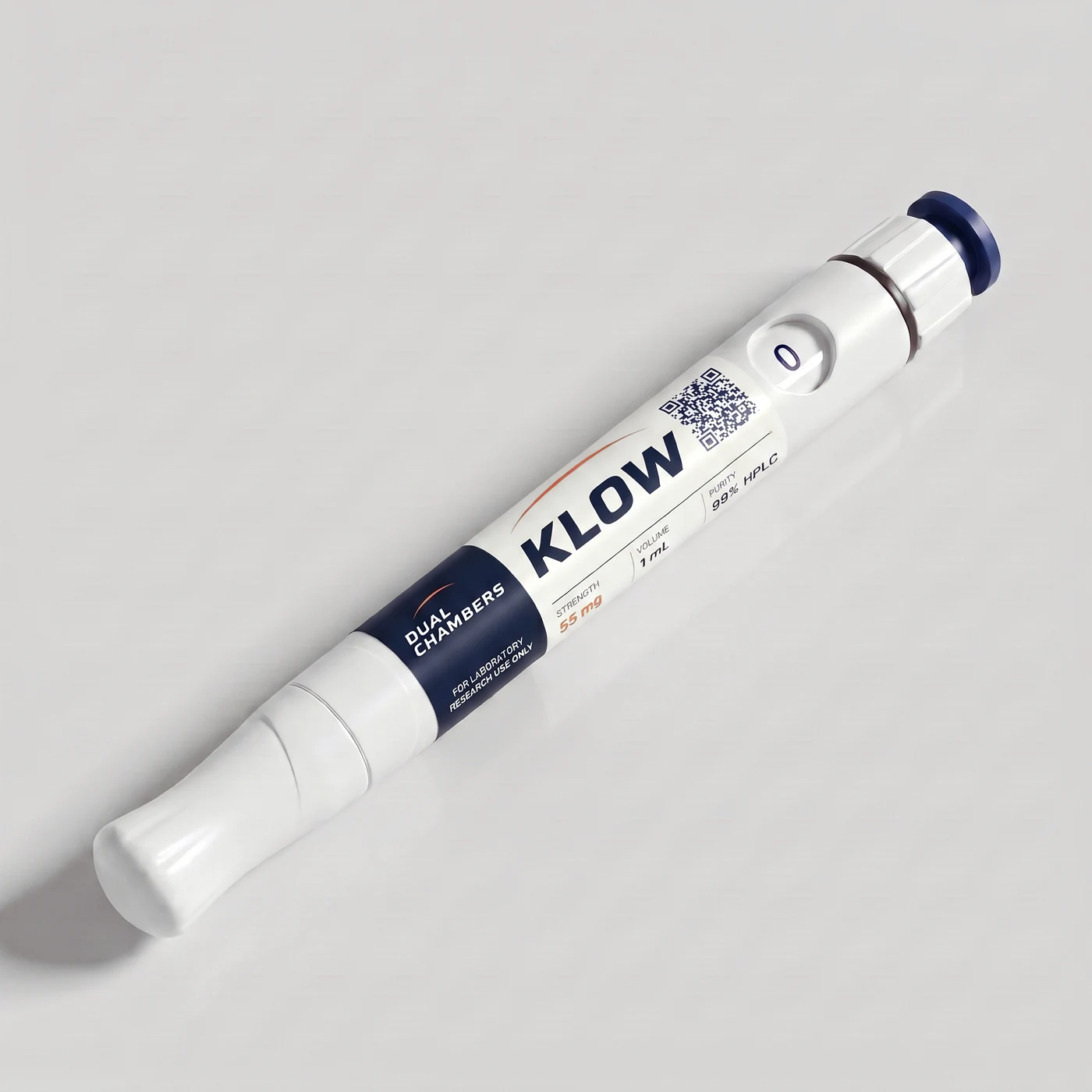
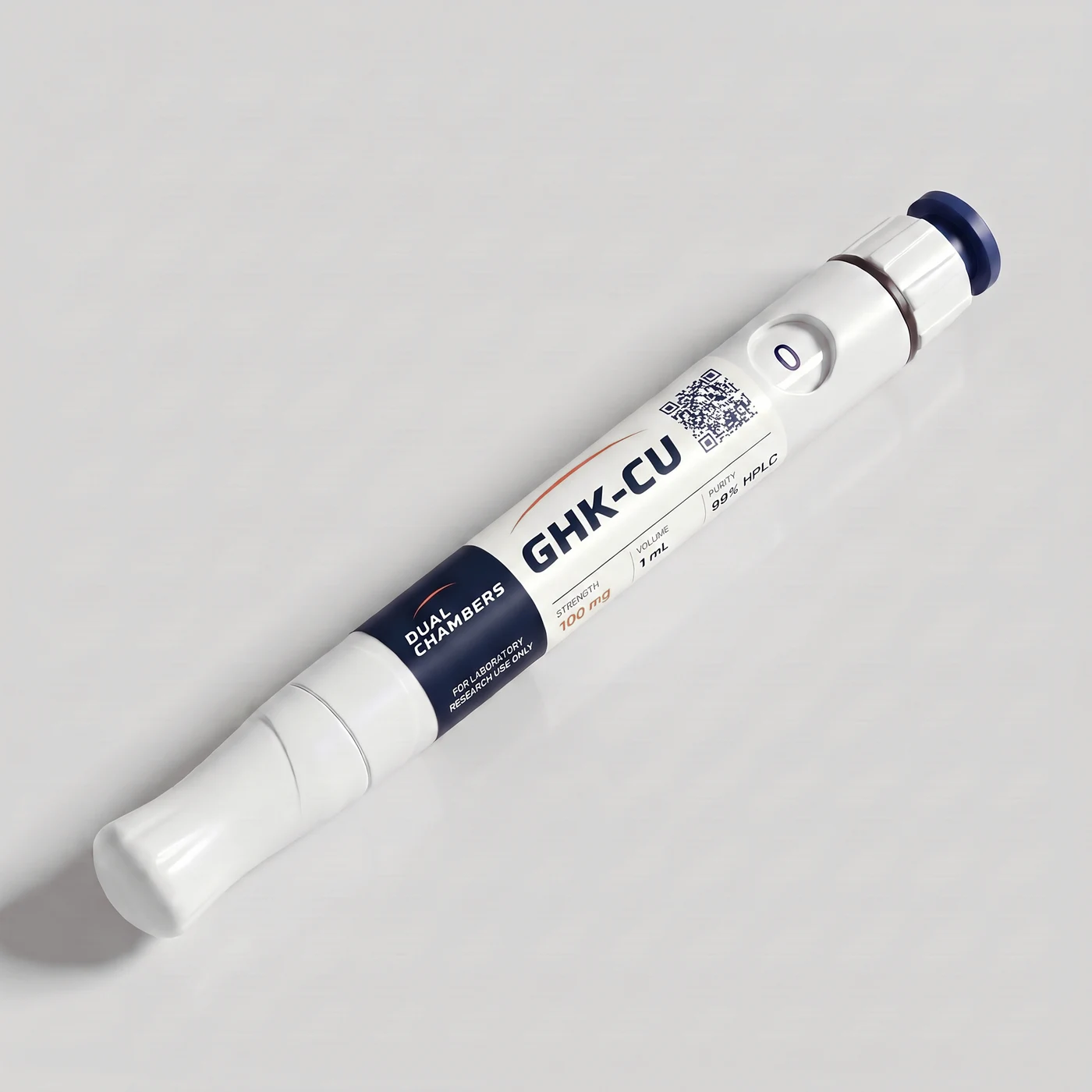
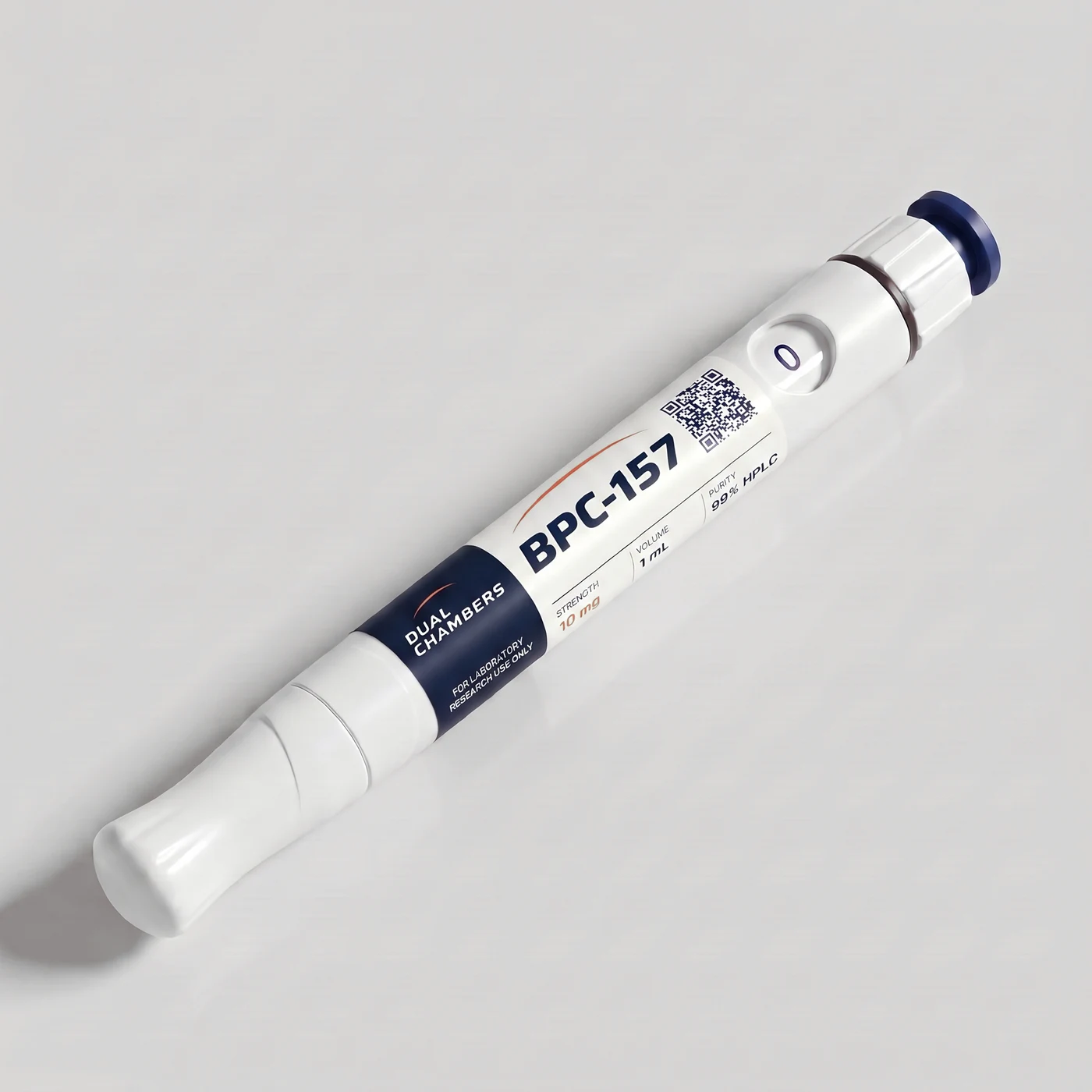
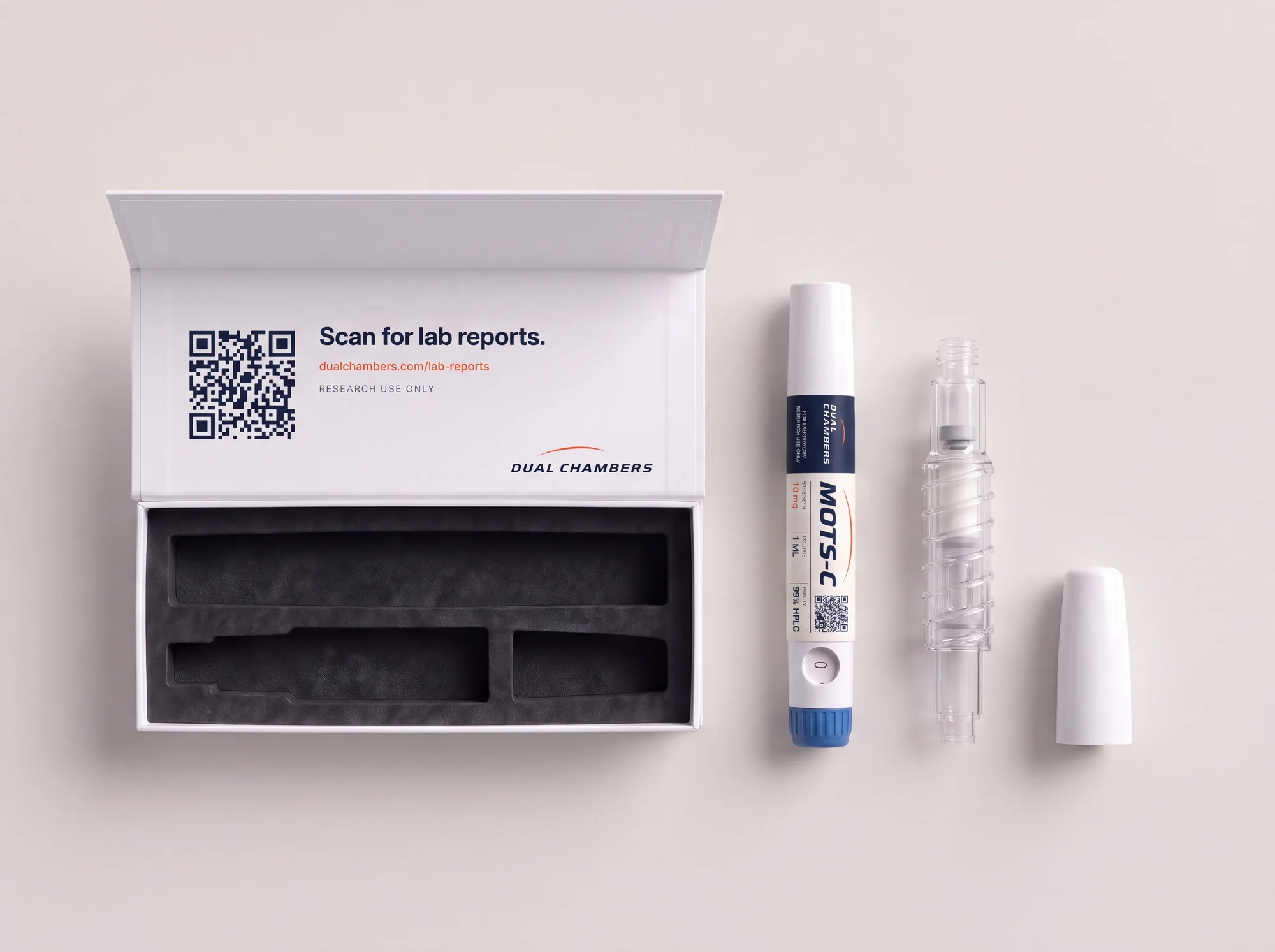
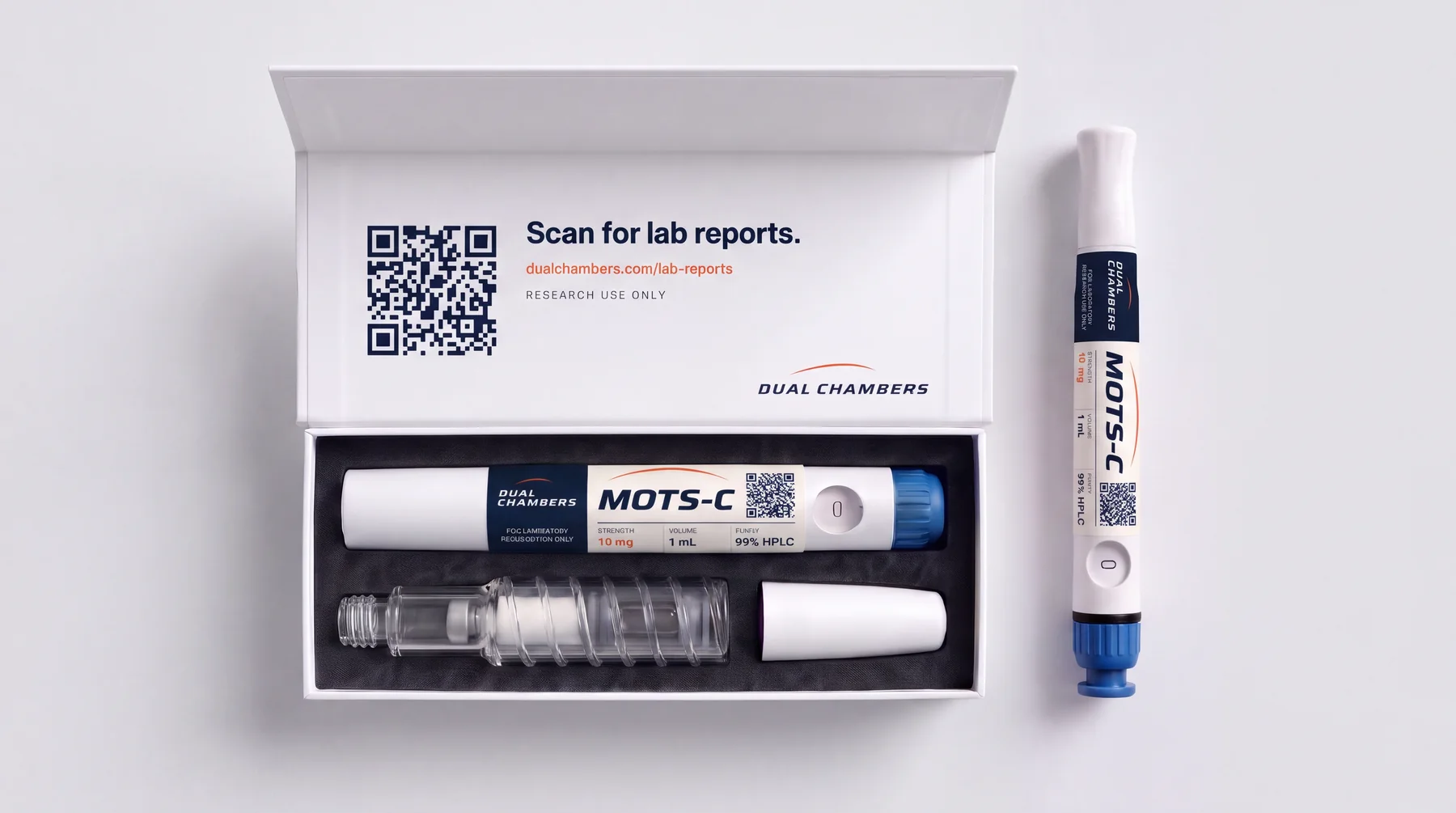
Find the lot number printed on your box and compare it, character by character, with the lot on the report. On the Dual Chambers lab reports page you can type the lot from your box into the lookup and it takes you to the matching report if one has been published. The QR code inside the lid opens the same page. Keep the box: it is the link between your pen and its report.
Watch for reports that show no lot at all, or a lot that does not appear anywhere on the product. A certificate without a lot cannot be tied to anything.
2. The methods: what was measured, and how
A result means little without the method that produced it. A good report names the method next to each result. For a research peptide, three tests answer three different questions:
- Identity, usually by mass spectrometry (MS): is the molecule in the sample the one on the label? The report typically shows the expected molecular mass and the mass observed.
- Purity, usually by high-performance liquid chromatography (HPLC): how much of what the instrument detects is the target peptide, compared with other components?
- Endotoxin, usually by a Limulus amebocyte lysate (LAL) assay: how much bacterial endotoxin is present?
Each of these can say some things and not others. Our article on identity, purity and endotoxin goes through the limits of each one. The point for reading a report is simple: a purity number with no method named, or an identity claim with no data, is a statement, not a result.
3. The result against the specification
A specification is the standard the lot is expected to meet, set before testing. The result is what the test found. Read them together.
For purity, a report usually lists a specification such as a minimum HPLC purity and then the measured value. When a report for a lot is published, read its measured purity next to that specification rather than on its own.
For identity, the specification is usually that the observed mass agrees with the expected mass within a stated tolerance. For endotoxin, it is usually a maximum level, expressed in endotoxin units (EU) per milligram or per millilitre, and the result is reported as a measured value or as below a limit.
Look for a clear outcome on each line, such as "conforms" or "pass", and make sure the result and the specification are in the same units.
4. The date
A report should show when the sample was tested, and often when the report was issued. The dates tell you the report was produced for this lot, at a point in its life you can place. A report with no date gives you no way to know whether it belongs to the material you have.
A test date earlier than the date on your box is normal: lots are tested, then released. What you are checking is that a date exists and that it belongs to the same lot.
5. Who issued it and who signed it
A lab report should name the laboratory that did the testing and carry the name or signature of the person who reviewed and approved the results. An independent laboratory is one that is not the seller: the point is that someone without a stake in the result produced it.
Signs that a report deserves a second look:
- No laboratory named, or only the seller's own name.
- No signature, approver or review line.
- Results without methods, or methods without results.
- The same certificate, with the same numbers, shown for several different products or lots.
- Numbers that look edited: mismatched fonts, misaligned columns, or a lot number that appears in a different style from the rest of the page.
If something on a report does not add up, ask the supplier. A supplier that publishes real reports can answer questions about them.
A short checklist
- The lot on the report matches the lot on your box.
- Each result names its method: MS for identity, HPLC for purity, an endotoxin assay for endotoxin.
- Each result sits next to a specification, in the same units, with a clear outcome.
- The report is dated.
- The testing laboratory is named, and someone signed or approved the results.
How Dual Chambers publishes reports
Dual Chambers pens are tested by an independent laboratory, with identity confirmed by mass spectrometry and an endotoxin screen. A report covers one lot, and reports are published on the lab reports page as they are released. A pen whose first lot has not been released yet shows as pending rather than showing a sample. For a lot you cannot find on the page, email support@dualchambers.com with the lot number from the box.
Dual Chambers products are not for human or veterinary use, and nothing in this article is an instruction for use in people or animals. Questions about a pen or a lab report: support@dualchambers.com.