Identity, purity, endotoxin: what each test answers
A peptide lab report usually carries three results: identity, purity and endotoxin. They are often read as one verdict, but each test answers a different question, and each has things it cannot see. Knowing the limits is what makes the results useful.
Three questions, three instruments
| Test | Question it answers | Typical method | What it cannot tell you |
|---|---|---|---|
| Identity | Is this the molecule on the label? | Mass spectrometry (MS) | How much of the sample is that molecule |
| Purity | How much of what is detected is the target peptide? | HPLC with UV detection | On its own, which molecule the main peak is |
| Endotoxin | How much bacterial endotoxin is present? | LAL assay | Anything about identity or purity |
None of the three substitutes for another. A lot can pass identity and still be impure. It can be highly pure by HPLC and still be the wrong molecule if identity was never checked. And neither identity nor purity says anything about endotoxin.
Identity by mass spectrometry
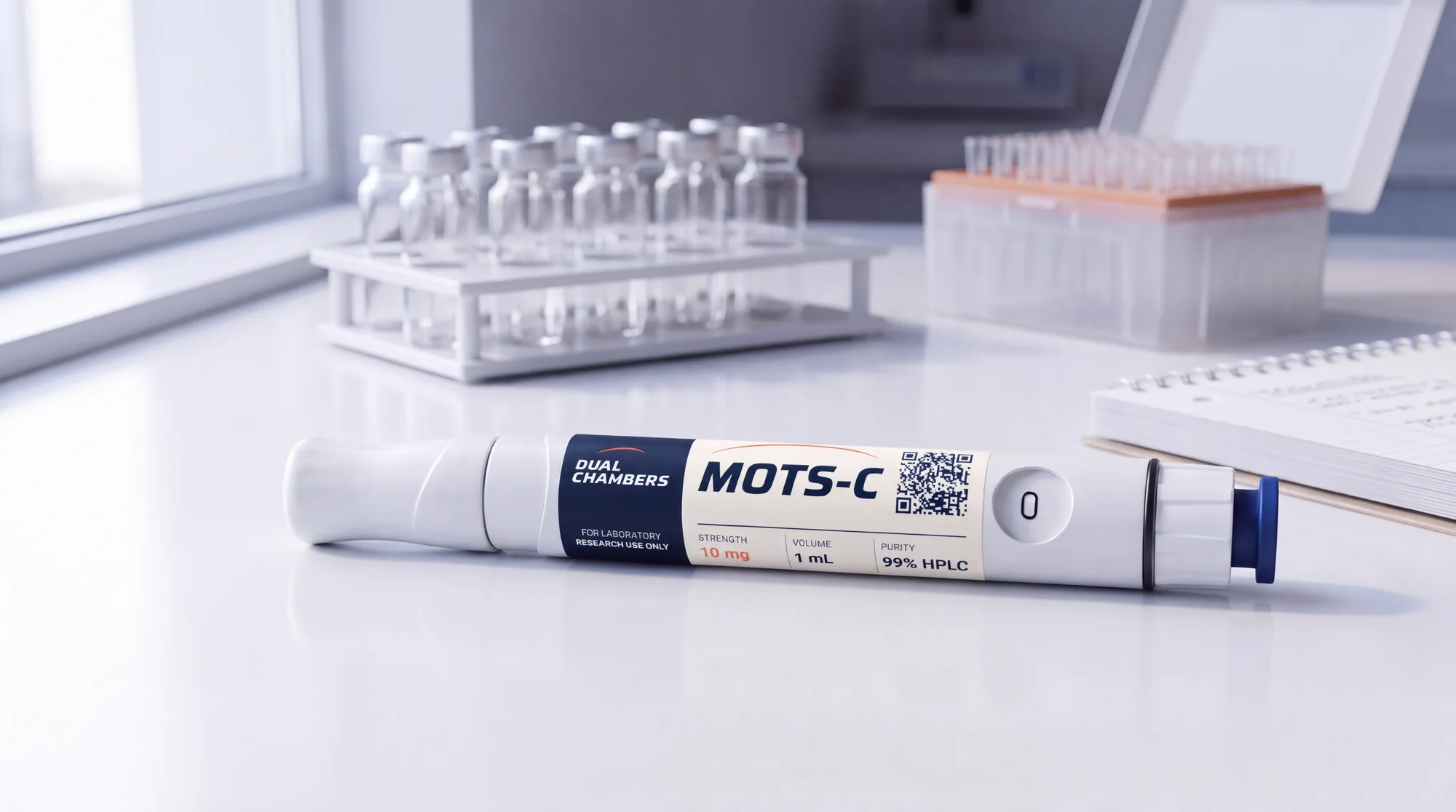
A mass spectrometer turns molecules in the sample into ions and measures their mass-to-charge ratio. For a peptide, the result is compared with the molecular mass expected from its sequence. MOTS-c, for example, is a 16 amino acid peptide with the sequence MRWQEMGYIFYPRKLR and a molecular weight of about 2174.6 g/mol. An identity result for MOTS-c would show an observed mass that agrees with that value within the instrument's tolerance.
Peptides often appear in a spectrum as several ions carrying different numbers of charges, so a report may show more than one peak that all point back to the same mass. That is expected.
What MS can say: the main molecule present has the mass of the expected peptide. A wrong peptide, a truncated sequence or a missing modification usually changes the mass and shows up.
What MS cannot say on its own: how much of the sample is that molecule. A sample can contain the right peptide alongside a large amount of something else. MS is also weak at telling apart molecules with the same mass, such as two sequences made of the same amino acids in a different order. That is why identity is read alongside purity, not instead of it.
Purity by HPLC
High-performance liquid chromatography pushes the dissolved sample through a packed column. Different components travel through the column at different speeds and come out at different times. A detector, commonly measuring ultraviolet absorbance at a wavelength where the peptide bond absorbs, records each component as a peak in a chromatogram.
Purity is usually reported as the area of the main peak as a percentage of the total area of all detected peaks. Each lot's measured result is what its report shows.
What HPLC can say: how much of what the detector sees is the main component, and how many other detectable components are present and in what proportion. Related impurities from synthesis, such as shortened or incompletely deprotected sequences, often appear as separate peaks.
What HPLC cannot say:
- Which molecule the main peak is. A pure sample of the wrong peptide still gives one clean peak. Identity needs MS.
- Anything the detector does not see. Components that do not absorb at the chosen wavelength, such as water, salts or counter-ions, do not appear as peaks.
- Components that come out at the same time. If an impurity leaves the column together with the main peptide, the two can look like one peak.
- The peptide content by weight. HPLC purity is a ratio between detected components, not a weight. A lyophilized peptide also contains some water and counter-ions, so purity by HPLC and the fraction of the powder's weight that is peptide are different numbers.
Endotoxin by LAL
Endotoxins are lipopolysaccharides from the outer membrane of gram-negative bacteria. They are a common concern in laboratory materials because they can affect cell-based and other biological assays at low levels, and they are not removed by ordinary filtration.
The standard method is the Limulus amebocyte lysate (LAL) assay, built on a clotting reaction from horseshoe crab blood cells that is triggered by endotoxin. It comes in gel-clot, turbidimetric and chromogenic forms. Results are given in endotoxin units (EU), usually per milligram or per millilitre, and often reported as below a limit.
What LAL can say: how much bacterial endotoxin is in the sample, against a stated limit.
What LAL cannot say: anything about identity or purity, or about microorganisms that are not gram-negative bacteria. Some sample components can also interfere with the reaction, which is why laboratories run controls to show the assay works in that sample.
Reading the three together
The three results answer three questions about the same lot:
- Identity: it is the right molecule.
- Purity: it is mostly that molecule, against the specification.
- Endotoxin: it is low in bacterial endotoxin, against a limit.
All three only apply to the lot they were run on, so the first check on any report is still the lot number. Our guide to reading a peptide lab report covers the lot, dates and sign-off.
What Dual Chambers tests
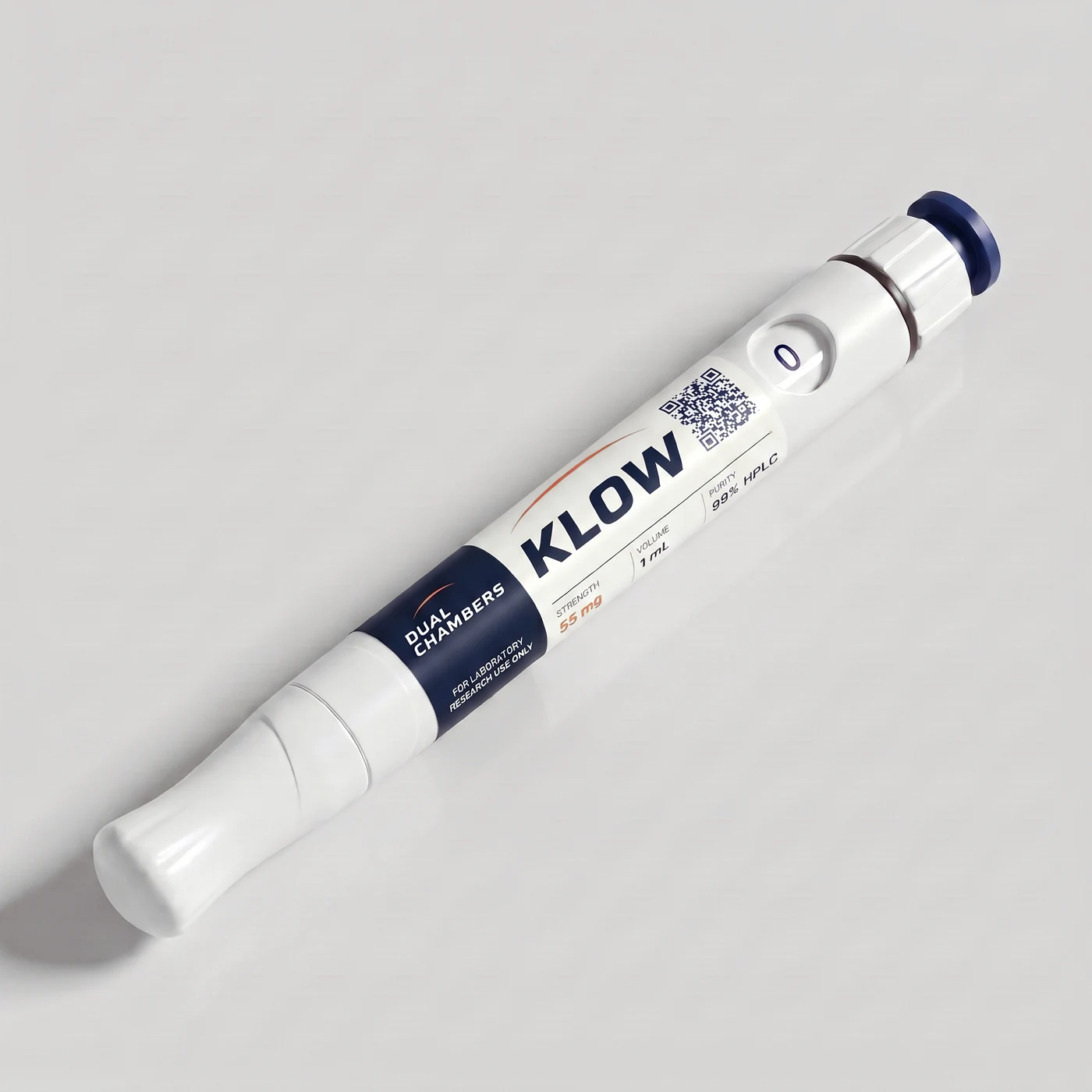
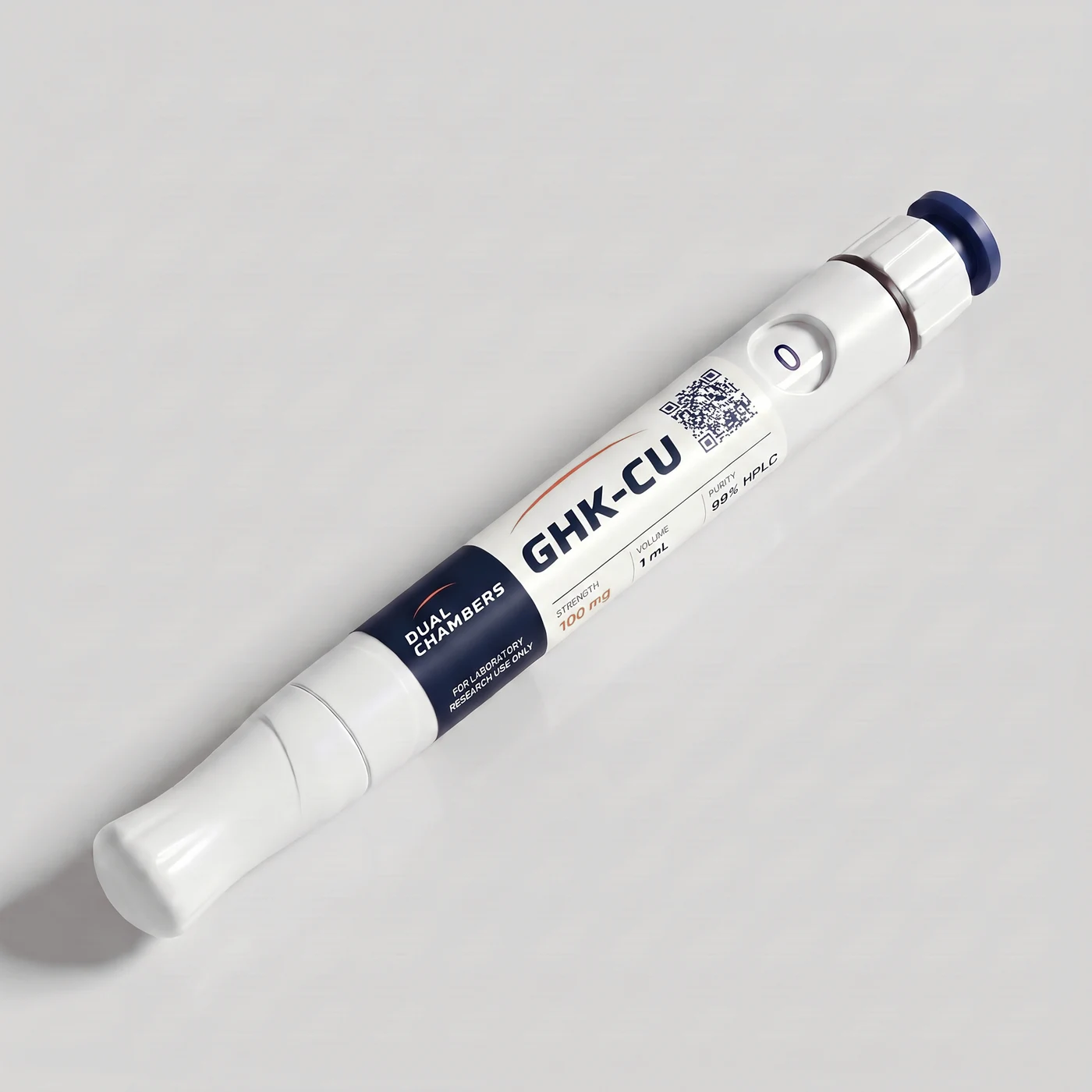
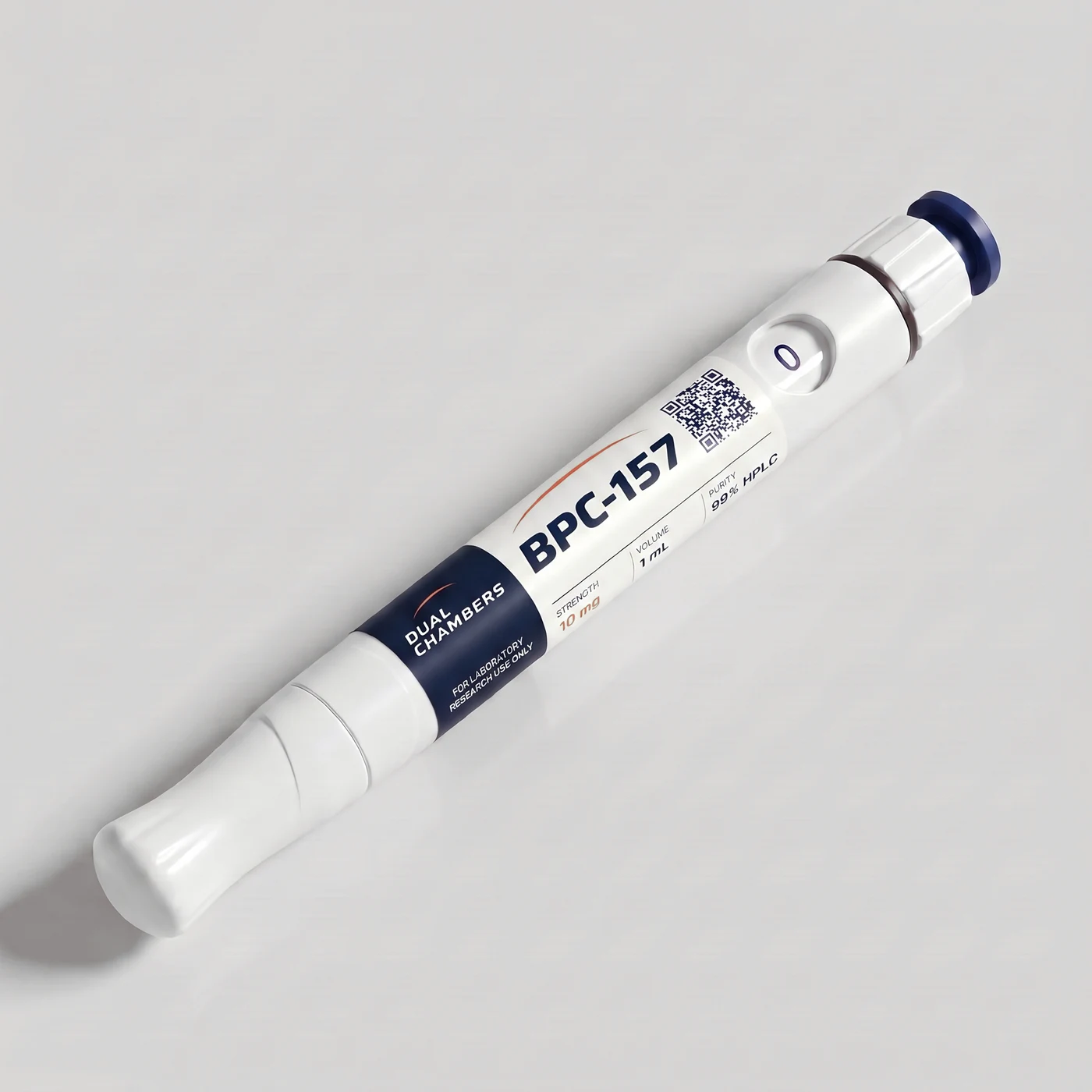
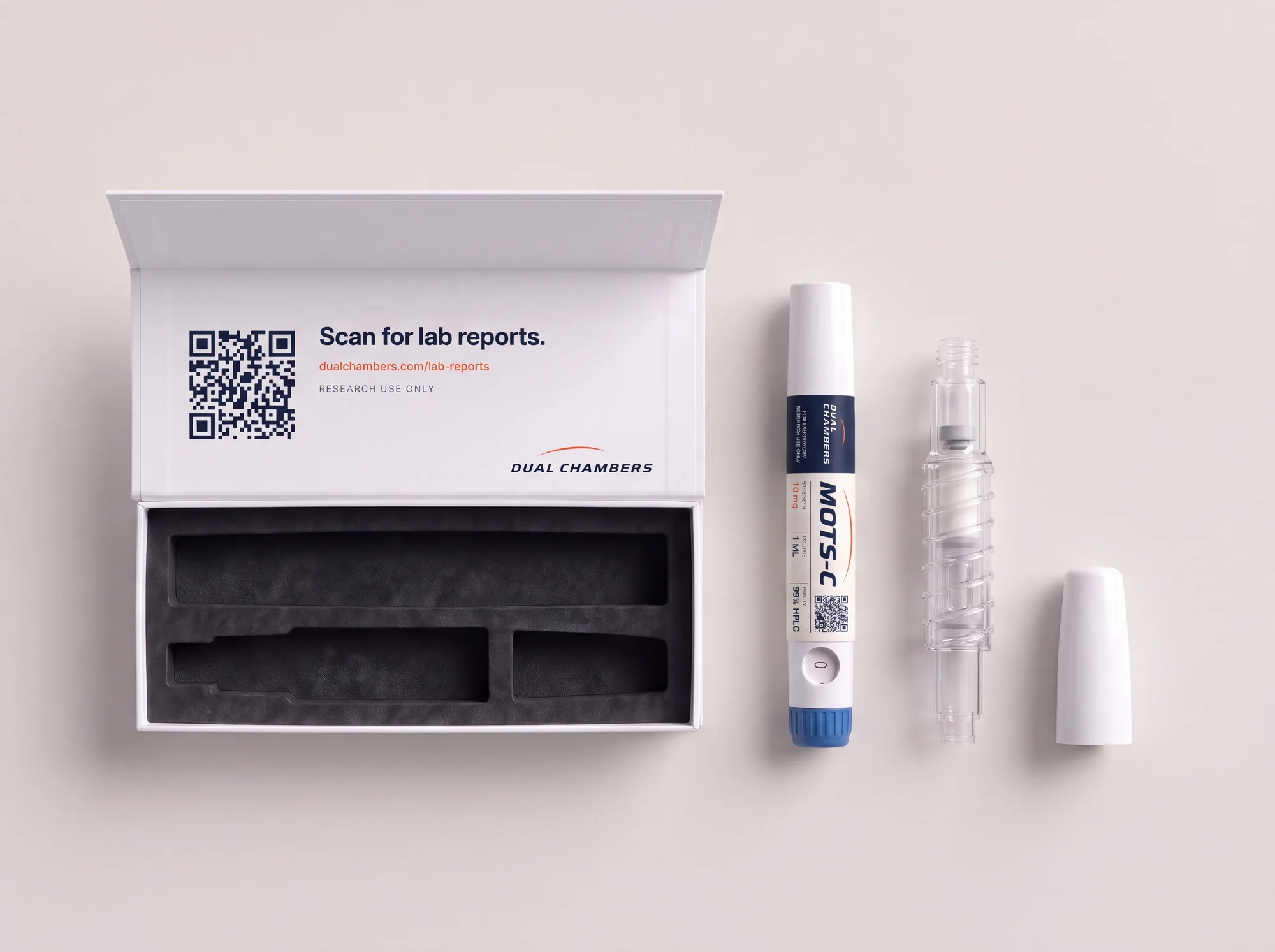
Dual Chambers pens are tested by an independent laboratory, with identity confirmed by mass spectrometry and an endotoxin screen. Reports are published on the lab reports page as they are released.
For blends, which carry more than one active in one cartridge, the testing has more to do: each active has its own mass and its own peak. See fixed-ratio blends.
Dual Chambers products are not for human or veterinary use, and nothing in this article is an instruction for use in people or animals. Questions about a pen or a lab report: support@dualchambers.com.